
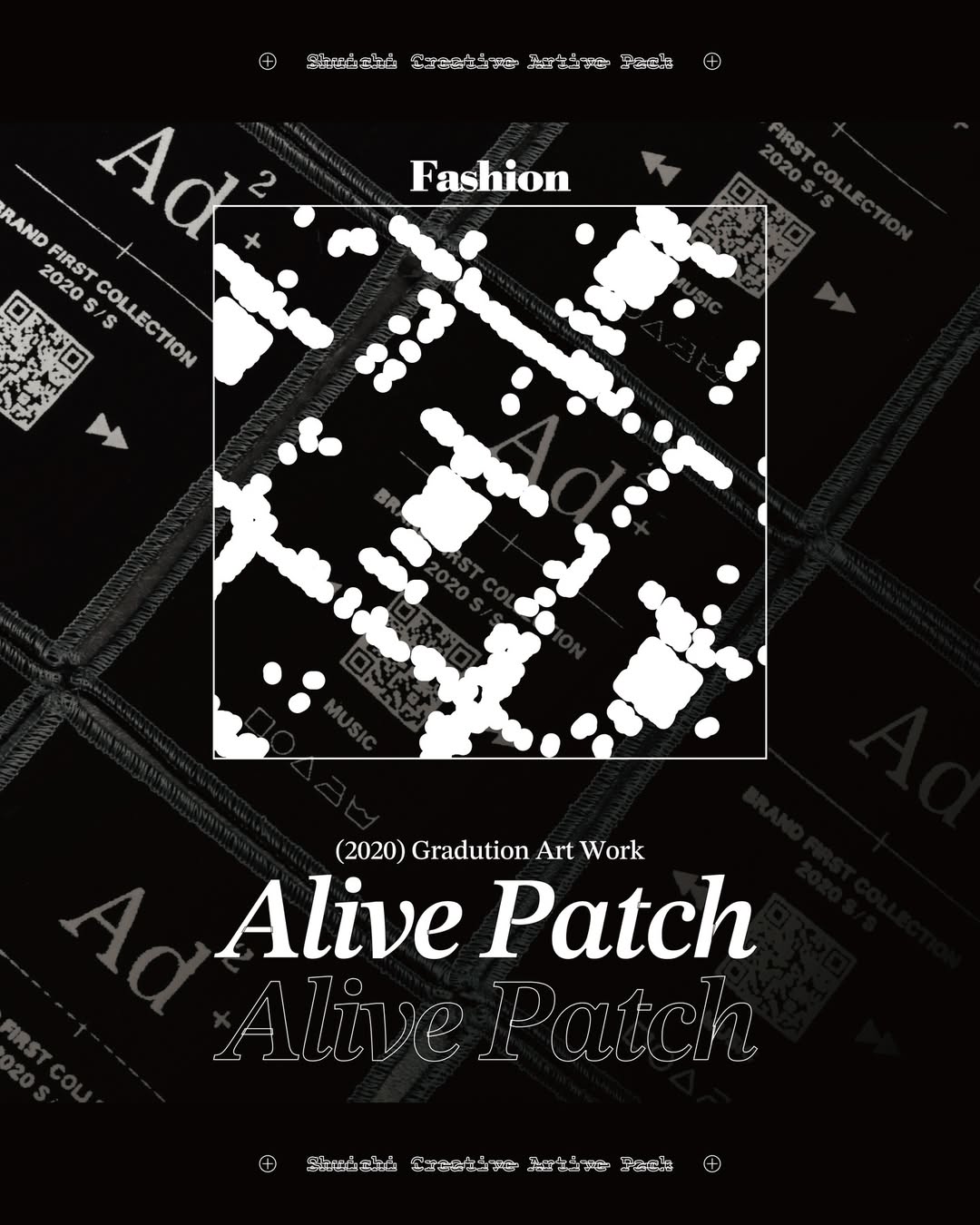
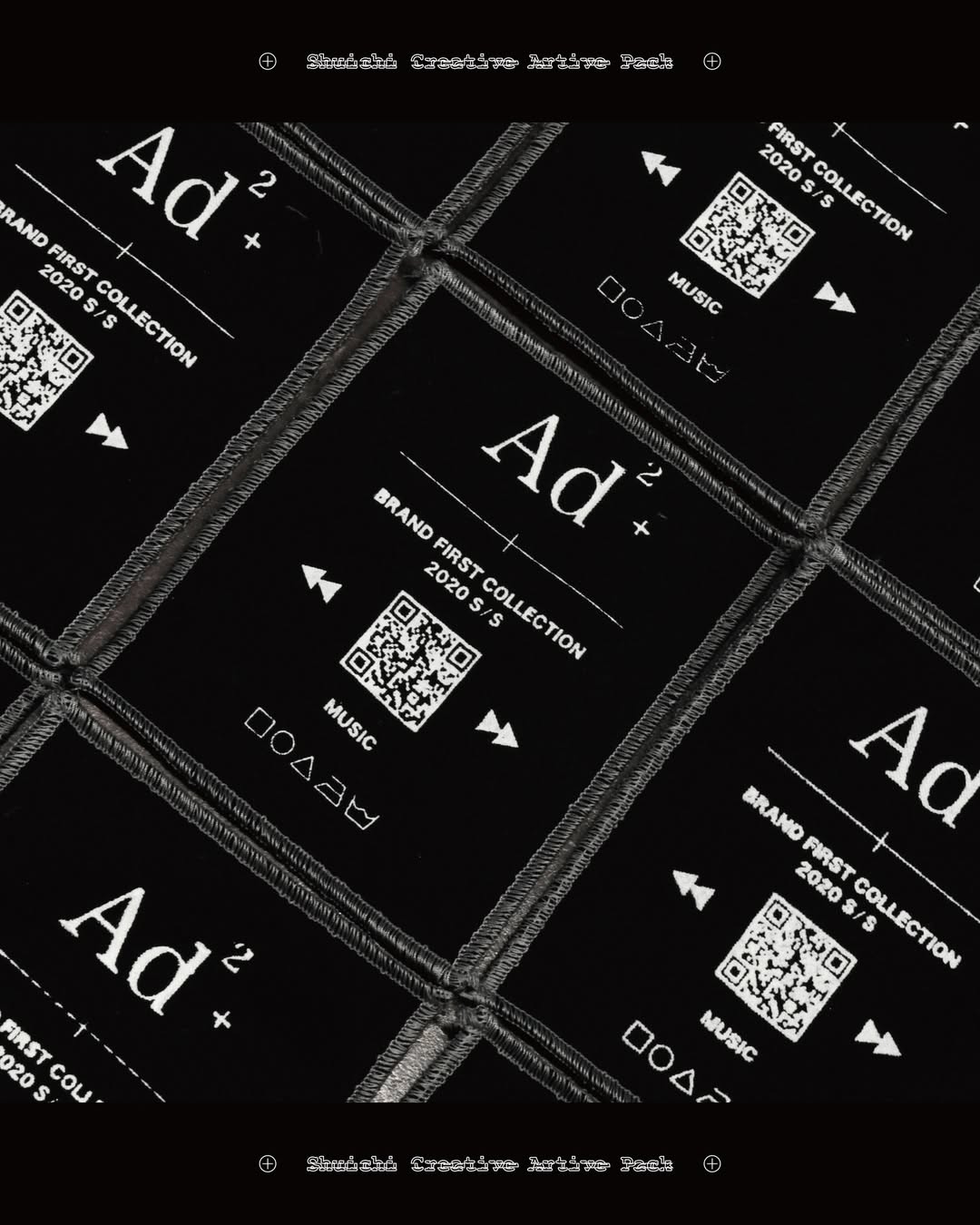
"Alive Patch"(2020)
Fashion Designer:Jun Honkawa
Art Director / Designer : Shuichi Narikawa
Researched next-generation fashion branding and marketing through the lens of spatial design.
With growing concerns over the environmental impact of fast fashion, the industry is shifting toward sustainability, emphasizing new material research and circular practices. In this context, I launched Ad2+, a brand themed around “Transhumanism,” which reimagines vintage clothing by adding new layers of value and freshness. My role focused on (1) branding strategy and execution.
All brand tools and spatial installations were produced using recyclable or repurposed materials, embedding new meaning into discarded objects. Instead of relying solely on visual impact, the brand experience was designed as a seamless journey—from discovery to purchase to the moment the product reaches the customer. This involved (2) planning, (3) design, and (4) promotion, all integrated into a marketing approach that built “memory spaces.” These functioned as evolving brand communication touchpoints, gradually and continuously imprinting the brand’s worldview into people’s consciousness.
Ultimately, the project anticipated a future where the widespread use of recyclable materials could dull our sense of guilt toward clothing disposal. By doing so, Ad2+ evolved into a brand that questions the essence of fashion itself, and redefines what it means to cherish and form an attachment to objects.
次世代のファッションブランディングとマーケティングを、空間デザインの視点から研究。
近年、ファストファッションが地球環境に及ぼす影響が問題視される中、ファッションは持続可能な素材の研究やサスティナブルな方向へとシフトしています。私はその文脈を踏まえ、古着のリメイクを通じて既存のスタイリングに新たな価値を加えるブランド『Ad2+(アド)』を企画。「トランスヒューマニズム」をテーマに据え、(1) ブランディングを構築しました。
ブランドの世界観を表現するツールや空間は、再生可能素材や廃棄予定品を再解釈して制作。単なるビジュアル的インパクトに依存せず、「知る → 購入 → 手元に届く」までの一連の流れを体験としてデザインしました。その中で (2) プランニング、(3) デザイン、(4) プロモーションを包括的に行い、ブランドの価値を生活や日常の記憶に浸透させる“記憶空間”を構築。発信を段階的かつ継続的に行い、人々の意識にブランドの世界観を刷り込む手法をとりました。
最終的に、再生可能素材の普及によって「洋服の廃棄に対する罪悪感が薄れる未来」を想定し、「ファッションとは何か」「モノへの愛着とは何か」を問い直すブランドへと昇華しました。
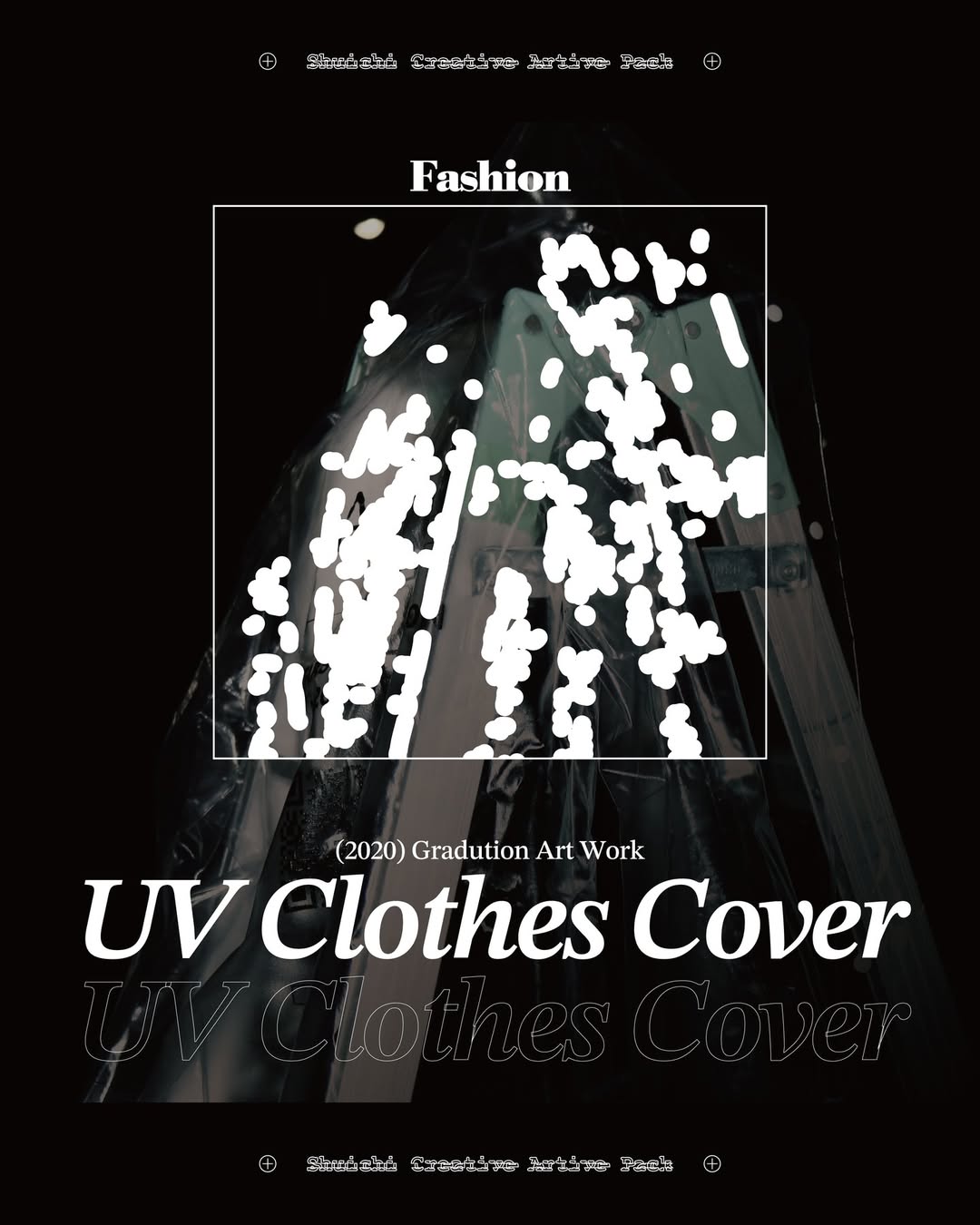
"UV Clothes Cover"(2020)
Fashion Designer:Jun Honkawa
Art Director / Designer : Shuichi Narikawa
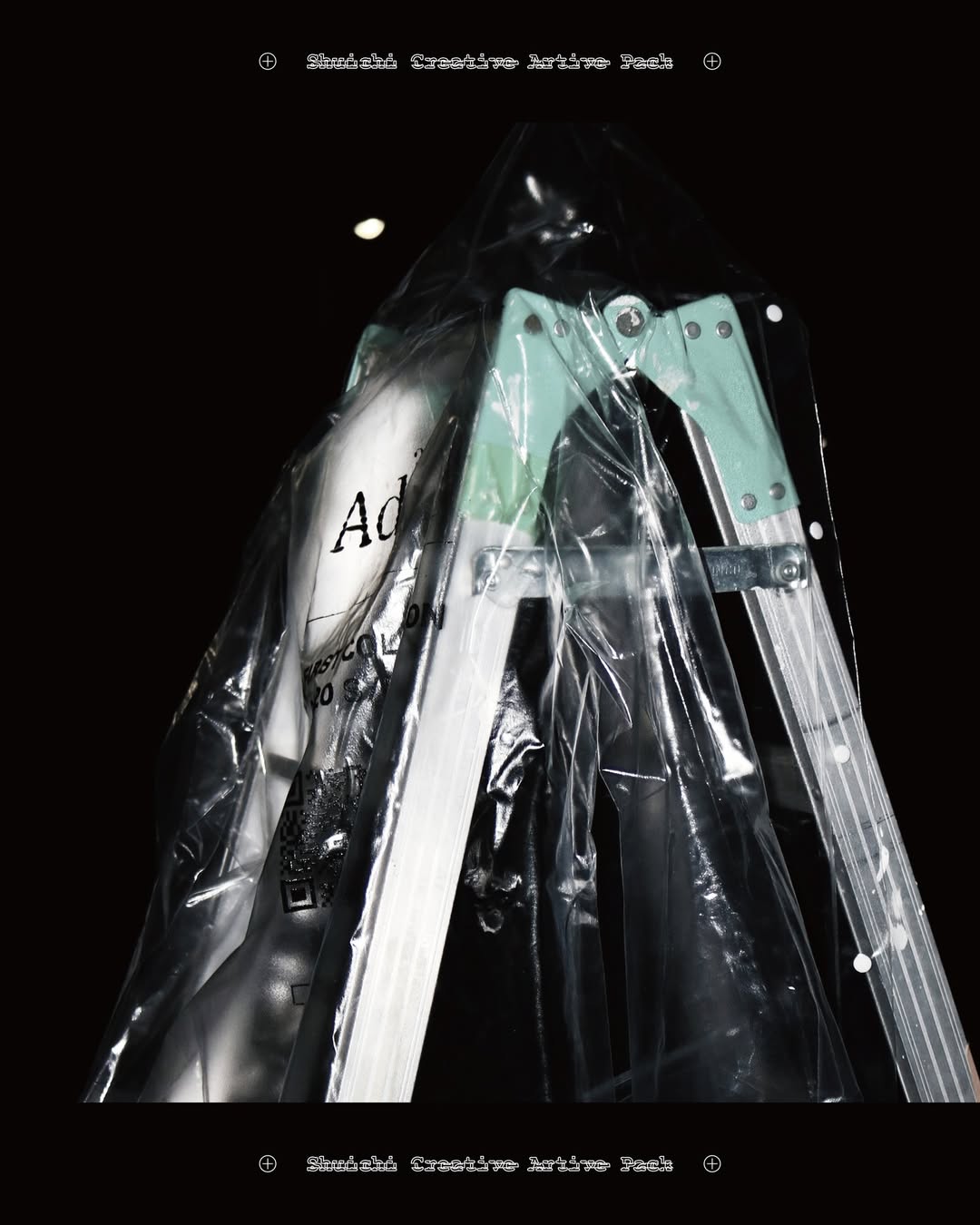
As an embodiment of Ad2+’s philosophy of “emotional attachment to objects,” I designed a product that serves both as packaging and as a protective cover for clothing.
The design draws inspiration from the raincoat—an essential tool in Kanazawa, known for its high rainfall—while also considering functionality within fashion show presentations. Crafted from biodegradable vinyl with built-in UV protection, the cover integrates sustainability, practicality, and brand storytelling into a single product.
金沢で生まれたブランド『Ad2+(アド)』の精神である「モノへの愛着」を体現するプロダクトとして、製品パッケージ兼、衣服の保存を目的としたカバーを制作しました。
降水量が多い金沢の暮らしに欠かせない雨合羽をモチーフにデザインし、ファッションショーでの演出にも対応できる設計を採用。また、生分解性のビニール素材を用い、UVカット機能を持たせることで、環境への配慮と実用性を兼ね備えたプロダクトに仕上げています。
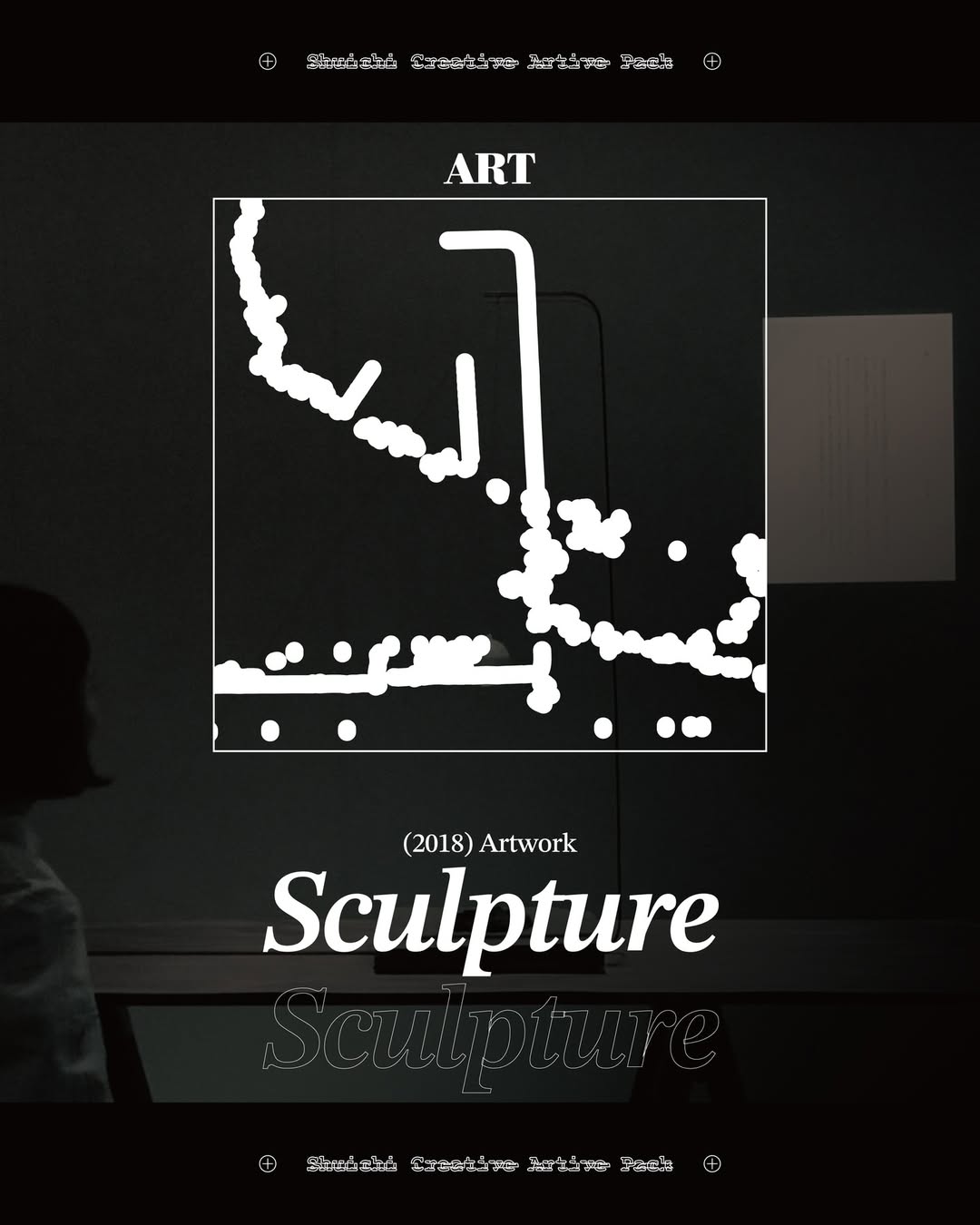
"Smell Sculpture"(2018)
Member : Kocoro Katoh
Masayuki Kambayashi
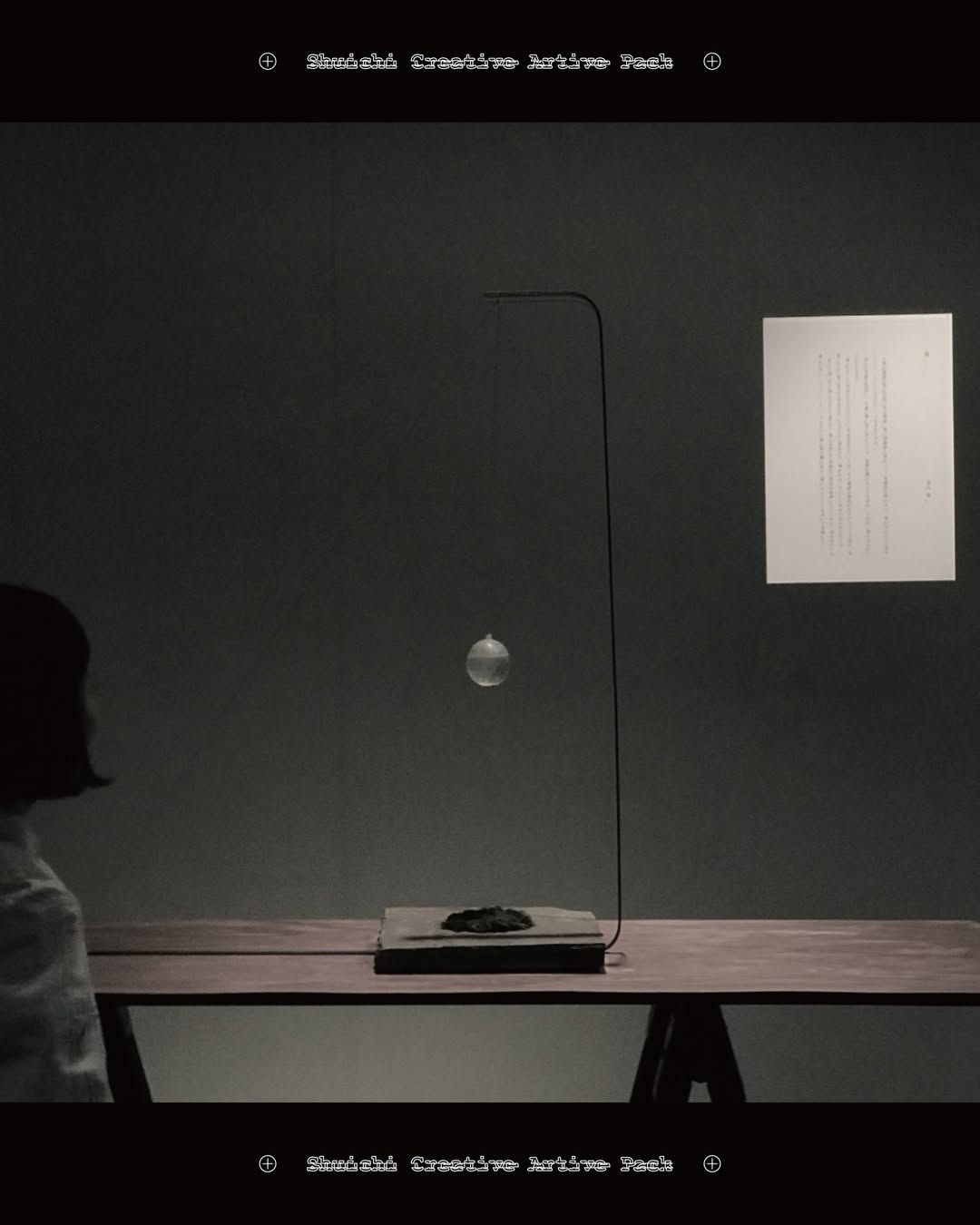
This sculptural artwork explores “smell” as an uncertain element within spatial design, created as an inquiry into the boundary between design and art.
The inspiration came from the scent of morning dew. Its source is geosmin, a compound produced by soil-dwelling bacteria, released into the air before rainfall and most perceptible in the fresh atmosphere of early mornings. It is a fragrance born from the cycle of life—what could be called “the scent of time.”
The piece embodies this concept through a pendulum that evokes the flow of time, and a delicate structure that conveys the fragile, almost miraculous existence of scent itself. It becomes an art piece that transcends visual and olfactory perception, offering a spatial experience of time and life.
空間デザインにおける不確定要素としての「嗅覚」をテーマに、彫刻作品を制作しました。デザインとアートの境界を探ることを目的としたプロジェクトです。
モチーフとしたのは「朝露の香り」。その源となるのは、土壌中のバクテリアが生成する物質ゲオスミンであり、雨が降る前に地表に放出され、特に雨上がりの朝に独特の香りを生み出します。それは生命の循環の中で生まれる“時の香り”とも言えます。
作品では、揺れ動く振り子で「時の流れ」を、繊細な構造で「奇跡的に存在する香りの儚さ」を表現しました。視覚と嗅覚を横断し、時間と生命を感じさせる空間的アートピースとなっています。
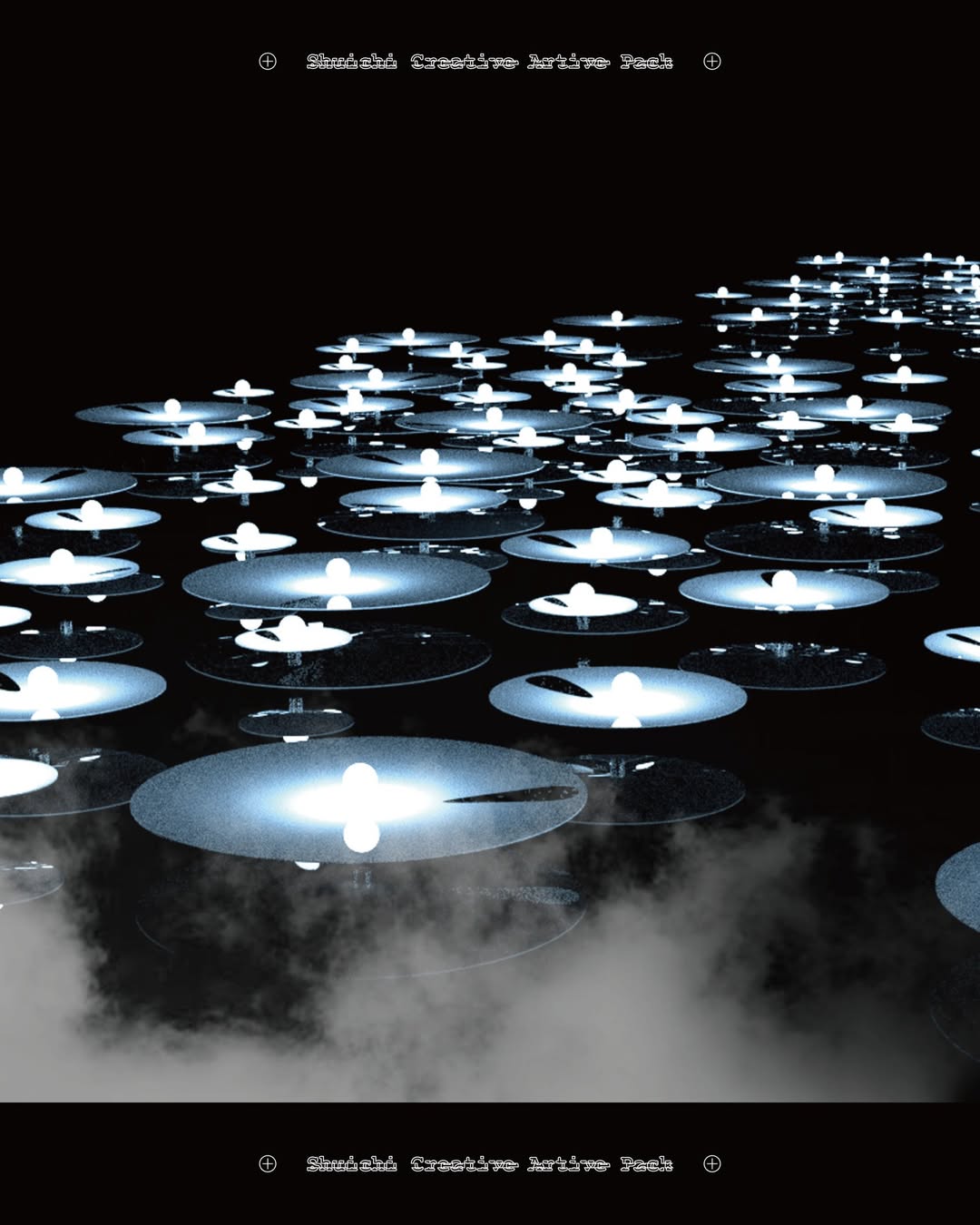
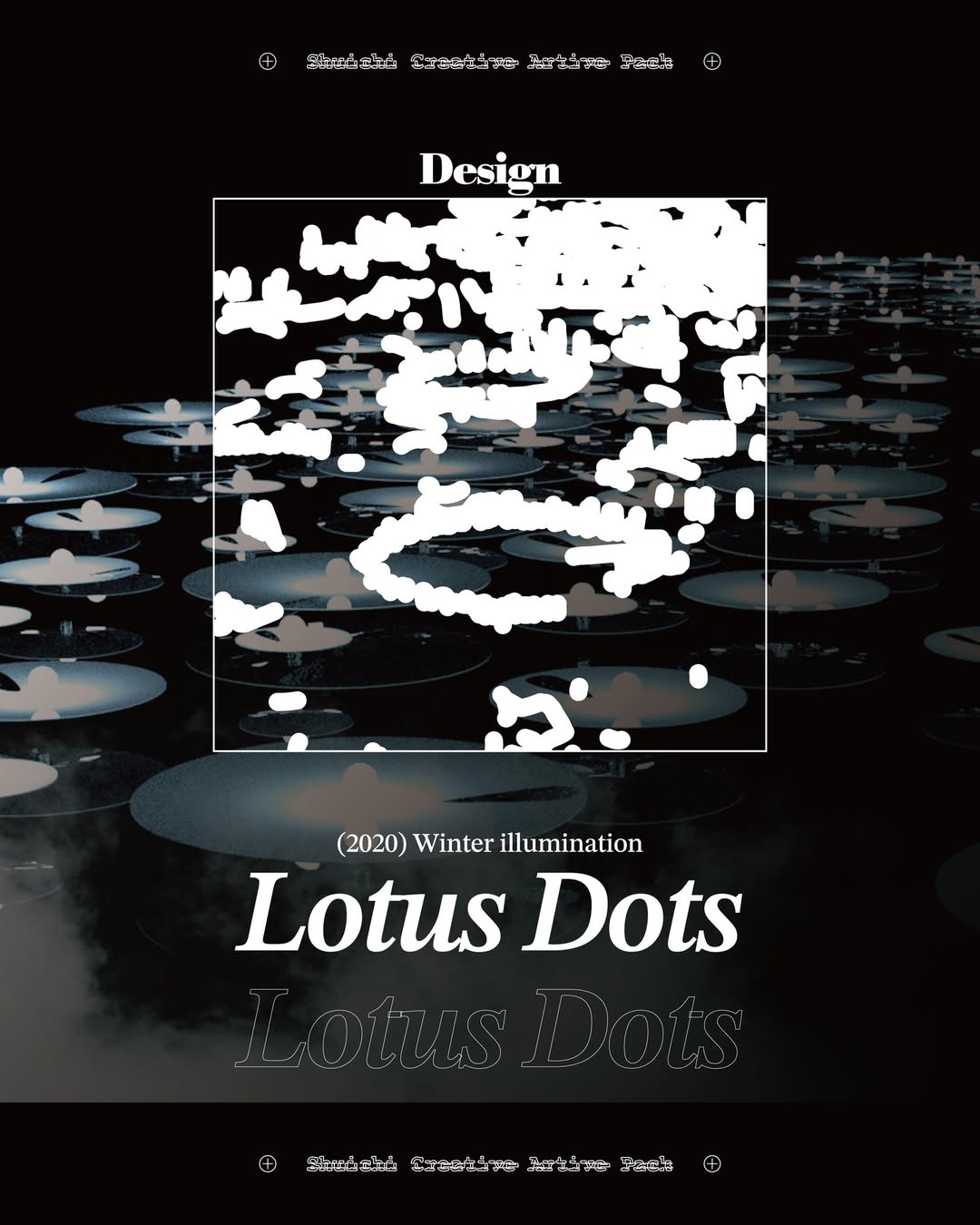
"Lotus Dots"(2020)
I questioned the concept of conventional illumination as a form of spatial decoration. To me, it felt like an act of restraining nature—an anthropocentric display that lacked true beauty.
In response, I designed an installation inspired by the local ecosystem, using native plants as motifs for the lighting elements. Powered by natural energy, these lights not only illuminate but also create sound through collision, transforming into an interactive sensory experience.
The design was conceived to be appreciated both day and night, offering a new form of illumination that coexists with nature while reimagining the relationship between humans and their environment.
「イルミネーション」という空間装飾に疑問を抱きました。それは自然を拘束し、人間本位に美化する行為であり、本質的な美しさを欠いていると感じたからです。
そこで私は、その場所に存在する生態系に着目し、現地の植物をモチーフにした電飾をデザインしました。この電飾は自然エネルギーを基盤として発光し、さらに互いに衝突することで音を奏でる仕組みを持っています。
夜間だけでなく昼間にも楽しめる設計を目指し、自然と共生しながら新たな空間体験を創出するインスタレーションとしました。
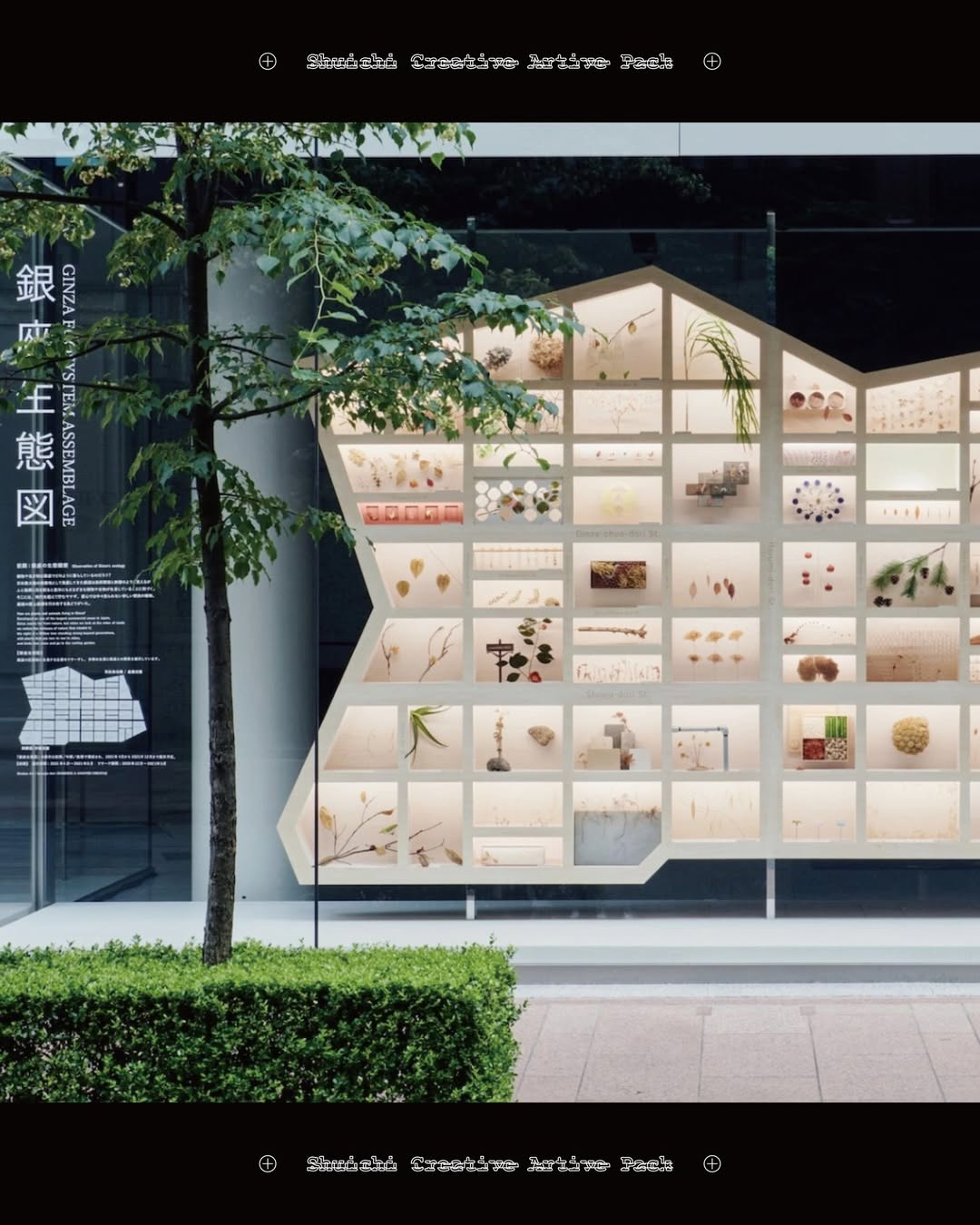
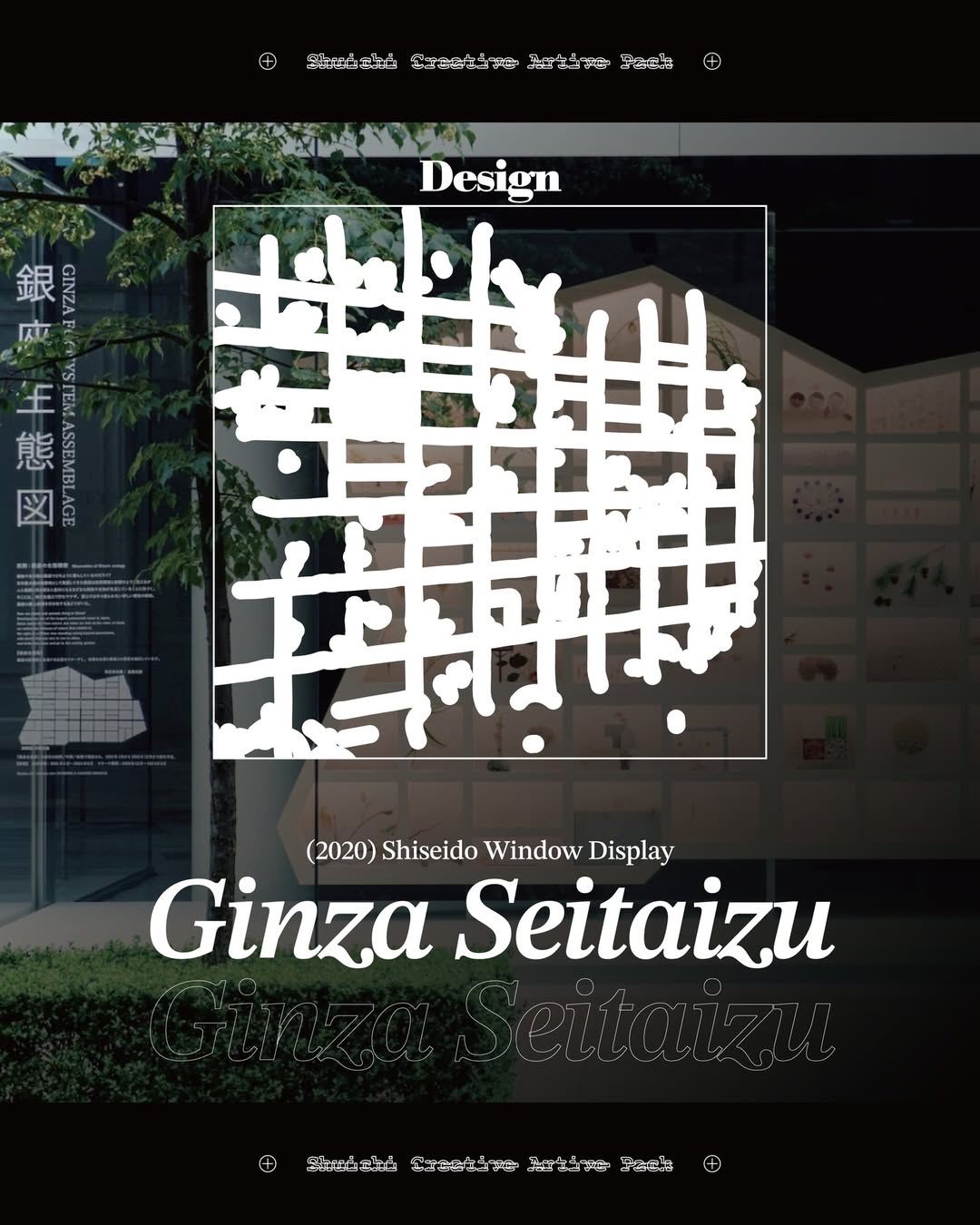
"Ginza Seitaizu"(2020)
Designer : HAKUTEN Creative Member
In the spring of 2020, the COVID-19 pandemic emptied Ginza—Japan’s largest commercial district—of its usual crowds. Yet, in the absence of people, we began to notice overlooked forms of life: the vivid greenery of roadside trees, the presence of crows, and other subtle but beautiful traces of urban ecology.
This project reinterpreted these small, everyday ecologies as expressions of an unseen beauty in the city. By sharing them, we sought to spark new reflections on the relationship between people, the city, and nature.
The installation featured a three-dimensional map of Ginza, within which we carefully displayed specimens collected through fieldwork and insights drawn from conversations with local residents. Each element was presented almost like a specimen, highlighting the hidden layers of life within the metropolis.
Over the course of a year, the exhibition unfolded across three themes—Plants, Earth, and Human Activity—ultimately revealing an unfamiliar yet beautiful vision of Ginza, reframed as an “Ecological Map.”
2020年春、コロナウイルスの影響により、日本最大級の商業都市である銀座から人々の姿が消えました。しかし視点を変えると、普段は見過ごされがちな街路樹の鮮やかな緑や、街に生きる鳥たちなど、都市に潜む豊かな生態の存在に気づかされました。
私たちは、その日常の中に息づく小さな生態を「これまで見えてこなかった街の美しさ」として捉え直し、社会に伝えることで、人・街・自然の新たな関わり方を考える契機としました。
展示では銀座の地図を立体化したディスプレイを制作し、実際のフィールドワークによる採取物や地域住民との対話をもとに、都市に存在する生態を標本のように一点ずつ丁寧に配置しました。
一年を通じて「植物編」「大地編」「人の営み編」という3つのテーマで展開し、これまで見えてこなかった美しく新しい銀座の姿を「銀座生態図」として浮かび上がらせました。
"Alive Patch"(2020)
Fashion Designer:Jun Honkawa
Art Director / Designer : Shuichi Narikawa
Researched next-generation fashion branding and marketing through the lens of spatial design.
With growing concerns over the environmental impact of fast fashion, the industry is shifting toward sustainability, emphasizing new material research and circular practices. In this context, I launched Ad2+, a brand themed around “Transhumanism,” which reimagines vintage clothing by adding new layers of value and freshness. My role focused on (1) branding strategy and execution.
All brand tools and spatial installations were produced using recyclable or repurposed materials, embedding new meaning into discarded objects. Instead of relying solely on visual impact, the brand experience was designed as a seamless journey—from discovery to purchase to the moment the product reaches the customer. This involved (2) planning, (3) design, and (4) promotion, all integrated into a marketing approach that built “memory spaces.” These functioned as evolving brand communication touchpoints, gradually and continuously imprinting the brand’s worldview into people’s consciousness.
Ultimately, the project anticipated a future where the widespread use of recyclable materials could dull our sense of guilt toward clothing disposal. By doing so, Ad2+ evolved into a brand that questions the essence of fashion itself, and redefines what it means to cherish and form an attachment to objects.
次世代のファッションブランディングとマーケティングを、空間デザインの視点から研究。
近年、ファストファッションが地球環境に及ぼす影響が問題視される中、ファッションは持続可能な素材の研究やサスティナブルな方向へとシフトしています。私はその文脈を踏まえ、古着のリメイクを通じて既存のスタイリングに新たな価値を加えるブランド『Ad2+(アド)』を企画。「トランスヒューマニズム」をテーマに据え、(1) ブランディングを構築しました。
ブランドの世界観を表現するツールや空間は、再生可能素材や廃棄予定品を再解釈して制作。単なるビジュアル的インパクトに依存せず、「知る → 購入 → 手元に届く」までの一連の流れを体験としてデザインしました。その中で (2) プランニング、(3) デザイン、(4) プロモーションを包括的に行い、ブランドの価値を生活や日常の記憶に浸透させる“記憶空間”を構築。発信を段階的かつ継続的に行い、人々の意識にブランドの世界観を刷り込む手法をとりました。
最終的に、再生可能素材の普及によって「洋服の廃棄に対する罪悪感が薄れる未来」を想定し、「ファッションとは何か」「モノへの愛着とは何か」を問い直すブランドへと昇華しました。
"UV Clothes Cover"(2020)
Fashion Designer:Jun Honkawa
Art Director / Designer : Shuichi Narikawa
As an embodiment of Ad2+’s philosophy of “emotional attachment to objects,” I designed a product that serves both as packaging and as a protective cover for clothing.
The design draws inspiration from the raincoat—an essential tool in Kanazawa, known for its high rainfall—while also considering functionality within fashion show presentations. Crafted from biodegradable vinyl with built-in UV protection, the cover integrates sustainability, practicality, and brand storytelling into a single product.
金沢で生まれたブランド『Ad2+(アド)』の精神である「モノへの愛着」を体現するプロダクトとして、製品パッケージ兼、衣服の保存を目的としたカバーを制作しました。
降水量が多い金沢の暮らしに欠かせない雨合羽をモチーフにデザインし、ファッションショーでの演出にも対応できる設計を採用。また、生分解性のビニール素材を用い、UVカット機能を持たせることで、環境への配慮と実用性を兼ね備えたプロダクトに仕上げています。
"Smell Sculpture"(2018)
Member : Kocoro Katoh
Masayuki Kambayashi
This sculptural artwork explores “smell” as an uncertain element within spatial design, created as an inquiry into the boundary between design and art.
The inspiration came from the scent of morning dew. Its source is geosmin, a compound produced by soil-dwelling bacteria, released into the air before rainfall and most perceptible in the fresh atmosphere of early mornings. It is a fragrance born from the cycle of life—what could be called “the scent of time.”
The piece embodies this concept through a pendulum that evokes the flow of time, and a delicate structure that conveys the fragile, almost miraculous existence of scent itself. It becomes an art piece that transcends visual and olfactory perception, offering a spatial experience of time and life.
空間デザインにおける不確定要素としての「嗅覚」をテーマに、彫刻作品を制作しました。デザインとアートの境界を探ることを目的としたプロジェクトです。
モチーフとしたのは「朝露の香り」。その源となるのは、土壌中のバクテリアが生成する物質ゲオスミンであり、雨が降る前に地表に放出され、特に雨上がりの朝に独特の香りを生み出します。それは生命の循環の中で生まれる“時の香り”とも言えます。
作品では、揺れ動く振り子で「時の流れ」を、繊細な構造で「奇跡的に存在する香りの儚さ」を表現しました。視覚と嗅覚を横断し、時間と生命を感じさせる空間的アートピースとなっています。
"Lotus Dots"(2020)
I questioned the concept of conventional illumination as a form of spatial decoration. To me, it felt like an act of restraining nature—an anthropocentric display that lacked true beauty.
In response, I designed an installation inspired by the local ecosystem, using native plants as motifs for the lighting elements. Powered by natural energy, these lights not only illuminate but also create sound through collision, transforming into an interactive sensory experience.
The design was conceived to be appreciated both day and night, offering a new form of illumination that coexists with nature while reimagining the relationship between humans and their environment.
「イルミネーション」という空間装飾に疑問を抱きました。それは自然を拘束し、人間本位に美化する行為であり、本質的な美しさを欠いていると感じたからです。
そこで私は、その場所に存在する生態系に着目し、現地の植物をモチーフにした電飾をデザインしました。この電飾は自然エネルギーを基盤として発光し、さらに互いに衝突することで音を奏でる仕組みを持っています。
夜間だけでなく昼間にも楽しめる設計を目指し、自然と共生しながら新たな空間体験を創出するインスタレーションとしました。
"Ginza Seitaizu"(2020)
Designer : HAKUTEN Creative Member
In the spring of 2020, the COVID-19 pandemic emptied Ginza—Japan’s largest commercial district—of its usual crowds. Yet, in the absence of people, we began to notice overlooked forms of life: the vivid greenery of roadside trees, the presence of crows, and other subtle but beautiful traces of urban ecology.
This project reinterpreted these small, everyday ecologies as expressions of an unseen beauty in the city. By sharing them, we sought to spark new reflections on the relationship between people, the city, and nature.
The installation featured a three-dimensional map of Ginza, within which we carefully displayed specimens collected through fieldwork and insights drawn from conversations with local residents. Each element was presented almost like a specimen, highlighting the hidden layers of life within the metropolis.
Over the course of a year, the exhibition unfolded across three themes—Plants, Earth, and Human Activity—ultimately revealing an unfamiliar yet beautiful vision of Ginza, reframed as an “Ecological Map.”
2020年春、コロナウイルスの影響により、日本最大級の商業都市である銀座から人々の姿が消えました。しかし視点を変えると、普段は見過ごされがちな街路樹の鮮やかな緑や、街に生きる鳥たちなど、都市に潜む豊かな生態の存在に気づかされました。
私たちは、その日常の中に息づく小さな生態を「これまで見えてこなかった街の美しさ」として捉え直し、社会に伝えることで、人・街・自然の新たな関わり方を考える契機としました。
展示では銀座の地図を立体化したディスプレイを制作し、実際のフィールドワークによる採取物や地域住民との対話をもとに、都市に存在する生態を標本のように一点ずつ丁寧に配置しました。
一年を通じて「植物編」「大地編」「人の営み編」という3つのテーマで展開し、これまで見えてこなかった美しく新しい銀座の姿を「銀座生態図」として浮かび上がらせました。
"Alive Patch"(2020)
Fashion Designer:Jun Honkawa
Art Director / Designer : Shuichi Narikawa
Researched next-generation fashion branding and marketing through the lens of spatial design.
With growing concerns over the environmental impact of fast fashion, the industry is shifting toward sustainability, emphasizing new material research and circular practices. In this context, I launched Ad2+, a brand themed around “Transhumanism,” which reimagines vintage clothing by adding new layers of value and freshness. My role focused on (1) branding strategy and execution.
All brand tools and spatial installations were produced using recyclable or repurposed materials, embedding new meaning into discarded objects. Instead of relying solely on visual impact, the brand experience was designed as a seamless journey—from discovery to purchase to the moment the product reaches the customer. This involved (2) planning, (3) design, and (4) promotion, all integrated into a marketing approach that built “memory spaces.” These functioned as evolving brand communication touchpoints, gradually and continuously imprinting the brand’s worldview into people’s consciousness.
Ultimately, the project anticipated a future where the widespread use of recyclable materials could dull our sense of guilt toward clothing disposal. By doing so, Ad2+ evolved into a brand that questions the essence of fashion itself, and redefines what it means to cherish and form an attachment to objects.
次世代のファッションブランディングとマーケティングを、空間デザインの視点から研究。
近年、ファストファッションが地球環境に及ぼす影響が問題視される中、ファッションは持続可能な素材の研究やサスティナブルな方向へとシフトしています。私はその文脈を踏まえ、古着のリメイクを通じて既存のスタイリングに新たな価値を加えるブランド『Ad2+(アド)』を企画。「トランスヒューマニズム」をテーマに据え、(1) ブランディングを構築しました。
ブランドの世界観を表現するツールや空間は、再生可能素材や廃棄予定品を再解釈して制作。単なるビジュアル的インパクトに依存せず、「知る → 購入 → 手元に届く」までの一連の流れを体験としてデザインしました。その中で (2) プランニング、(3) デザイン、(4) プロモーションを包括的に行い、ブランドの価値を生活や日常の記憶に浸透させる“記憶空間”を構築。発信を段階的かつ継続的に行い、人々の意識にブランドの世界観を刷り込む手法をとりました。
最終的に、再生可能素材の普及によって「洋服の廃棄に対する罪悪感が薄れる未来」を想定し、「ファッションとは何か」「モノへの愛着とは何か」を問い直すブランドへと昇華しました。
"UV Clothes Cover"(2020)
Fashion Designer:Jun Honkawa
Art Director / Designer : Shuichi Narikawa
As an embodiment of Ad2+’s philosophy of “emotional attachment to objects,” I designed a product that serves both as packaging and as a protective cover for clothing.
The design draws inspiration from the raincoat—an essential tool in Kanazawa, known for its high rainfall—while also considering functionality within fashion show presentations. Crafted from biodegradable vinyl with built-in UV protection, the cover integrates sustainability, practicality, and brand storytelling into a single product.
金沢で生まれたブランド『Ad2+(アド)』の精神である「モノへの愛着」を体現するプロダクトとして、製品パッケージ兼、衣服の保存を目的としたカバーを制作しました。
降水量が多い金沢の暮らしに欠かせない雨合羽をモチーフにデザインし、ファッションショーでの演出にも対応できる設計を採用。また、生分解性のビニール素材を用い、UVカット機能を持たせることで、環境への配慮と実用性を兼ね備えたプロダクトに仕上げています。
"Smell Sculpture"(2018)
Member : Kocoro Katoh
Masayuki Kambayashi
This sculptural artwork explores “smell” as an uncertain element within spatial design, created as an inquiry into the boundary between design and art.
The inspiration came from the scent of morning dew. Its source is geosmin, a compound produced by soil-dwelling bacteria, released into the air before rainfall and most perceptible in the fresh atmosphere of early mornings. It is a fragrance born from the cycle of life—what could be called “the scent of time.”
The piece embodies this concept through a pendulum that evokes the flow of time, and a delicate structure that conveys the fragile, almost miraculous existence of scent itself. It becomes an art piece that transcends visual and olfactory perception, offering a spatial experience of time and life.
空間デザインにおける不確定要素としての「嗅覚」をテーマに、彫刻作品を制作しました。デザインとアートの境界を探ることを目的としたプロジェクトです。
モチーフとしたのは「朝露の香り」。その源となるのは、土壌中のバクテリアが生成する物質ゲオスミンであり、雨が降る前に地表に放出され、特に雨上がりの朝に独特の香りを生み出します。それは生命の循環の中で生まれる“時の香り”とも言えます。
作品では、揺れ動く振り子で「時の流れ」を、繊細な構造で「奇跡的に存在する香りの儚さ」を表現しました。視覚と嗅覚を横断し、時間と生命を感じさせる空間的アートピースとなっています。
"Lotus Dots"(2020)
I questioned the concept of conventional illumination as a form of spatial decoration. To me, it felt like an act of restraining nature—an anthropocentric display that lacked true beauty.
In response, I designed an installation inspired by the local ecosystem, using native plants as motifs for the lighting elements. Powered by natural energy, these lights not only illuminate but also create sound through collision, transforming into an interactive sensory experience.
The design was conceived to be appreciated both day and night, offering a new form of illumination that coexists with nature while reimagining the relationship between humans and their environment.
「イルミネーション」という空間装飾に疑問を抱きました。それは自然を拘束し、人間本位に美化する行為であり、本質的な美しさを欠いていると感じたからです。
そこで私は、その場所に存在する生態系に着目し、現地の植物をモチーフにした電飾をデザインしました。この電飾は自然エネルギーを基盤として発光し、さらに互いに衝突することで音を奏でる仕組みを持っています。
夜間だけでなく昼間にも楽しめる設計を目指し、自然と共生しながら新たな空間体験を創出するインスタレーションとしました。
"Ginza Seitaizu"(2020)
Designer : HAKUTEN Creative Member
In the spring of 2020, the COVID-19 pandemic emptied Ginza—Japan’s largest commercial district—of its usual crowds. Yet, in the absence of people, we began to notice overlooked forms of life: the vivid greenery of roadside trees, the presence of crows, and other subtle but beautiful traces of urban ecology.
This project reinterpreted these small, everyday ecologies as expressions of an unseen beauty in the city. By sharing them, we sought to spark new reflections on the relationship between people, the city, and nature.
The installation featured a three-dimensional map of Ginza, within which we carefully displayed specimens collected through fieldwork and insights drawn from conversations with local residents. Each element was presented almost like a specimen, highlighting the hidden layers of life within the metropolis.
Over the course of a year, the exhibition unfolded across three themes—Plants, Earth, and Human Activity—ultimately revealing an unfamiliar yet beautiful vision of Ginza, reframed as an “Ecological Map.”
2020年春、コロナウイルスの影響により、日本最大級の商業都市である銀座から人々の姿が消えました。しかし視点を変えると、普段は見過ごされがちな街路樹の鮮やかな緑や、街に生きる鳥たちなど、都市に潜む豊かな生態の存在に気づかされました。
私たちは、その日常の中に息づく小さな生態を「これまで見えてこなかった街の美しさ」として捉え直し、社会に伝えることで、人・街・自然の新たな関わり方を考える契機としました。
展示では銀座の地図を立体化したディスプレイを制作し、実際のフィールドワークによる採取物や地域住民との対話をもとに、都市に存在する生態を標本のように一点ずつ丁寧に配置しました。
一年を通じて「植物編」「大地編」「人の営み編」という3つのテーマで展開し、これまで見えてこなかった美しく新しい銀座の姿を「銀座生態図」として浮かび上がらせました。